Can Anticipory Bail Under Section 482 BNSS (2023) Be Granted When the Accused Has Fully Cooperated With the Investigation?

The Court affirms that anticipatory bail under Section 482 BNSS (2023) can be granted when the accused has joined and fully cooperated with the investigation, provided custodial interrogation is not required. The decision upholds existing precedent, applies to economic offences (cheating and forgery), and is binding on subordinate courts within the jurisdiction.   Summary Category […]
Is the Multiplier for Motor Accident Compensation to Be Based on the Last Completed Age Year, and Can Posthumous Income Tax Returns Be Relied Upon?

The High Court clarified that the correct multiplier for fatal accident compensation should be based on the last completed age of the deceased, following the Supreme Court’s decisions in Sarla Verma and Shashikala. It also upheld that posthumously filed income tax returns are not inherently unreliable if corroborated by other returns. This ruling strictly follows […]

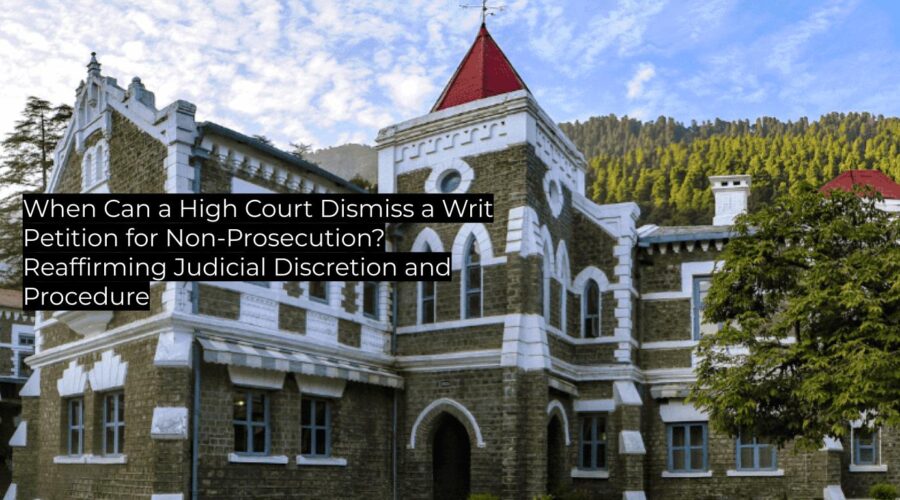
When Can a High Court Dismiss a Writ Petition for Non-Prosecution? Reaffirming Judicial Discretion and Procedure

The judgment reiterates that the High Court retains discretion to dismiss writ petitions for non-prosecution where petitioners fail to appear, and vacates any interim order automatically on such dismissal—thereby upholding established procedural practice. This ruling maintains existing precedent, is binding authority within the High Court’s jurisdiction, and carries direct procedural significance for litigants and lawyers. […]

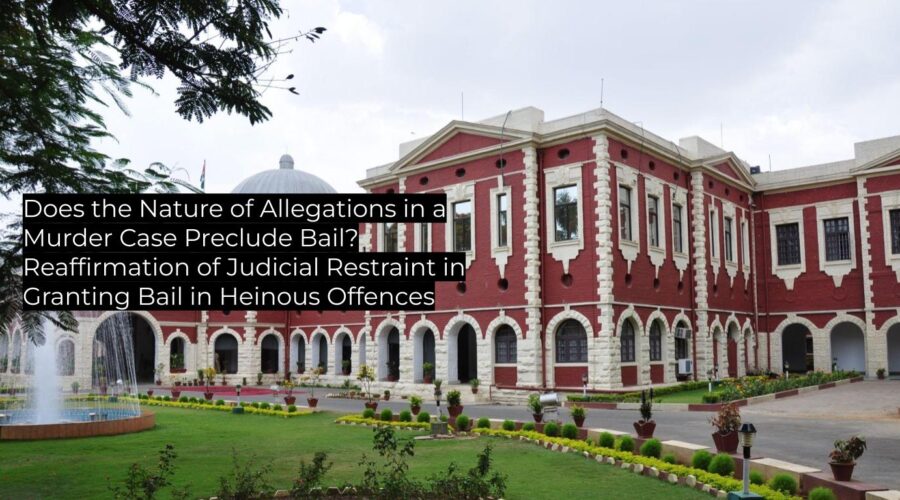
Does the Nature of Allegations in a Murder Case Preclude Bail? Reaffirmation of Judicial Restraint in Granting Bail in Heinous Offences

The High Court of Jharkhand reiterates that the gravity and nature of allegations, particularly in cases involving murder under Section 302 IPC, are paramount considerations in bail applications, and may justify outright rejection. The judgment upholds established principles without creating new law, and serves as a binding precedent for subordinate courts dealing with bail, especially […]

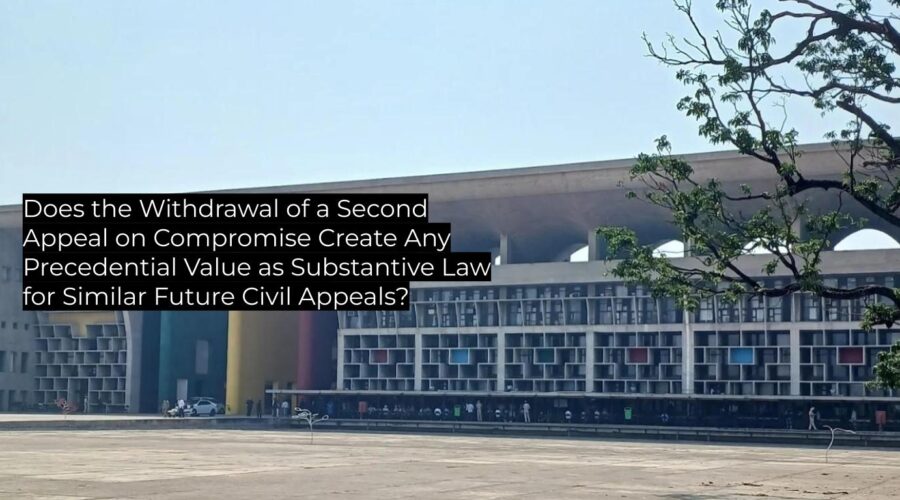
Does the Withdrawal of a Second Appeal on Compromise Create Any Precedential Value as Substantive Law for Similar Future Civil Appeals?

The High Court of Punjab and Haryana confirmed that withdrawal of a second appeal following a compromise between parties disposes of the case without adjudication on merits, reaffirming that such judgments set no binding or persuasive legal precedent for substantive issues in civil litigation.   Summary Category Data Case Name RSA/4899/2017 of RAJENDER KUMAR Vs […]

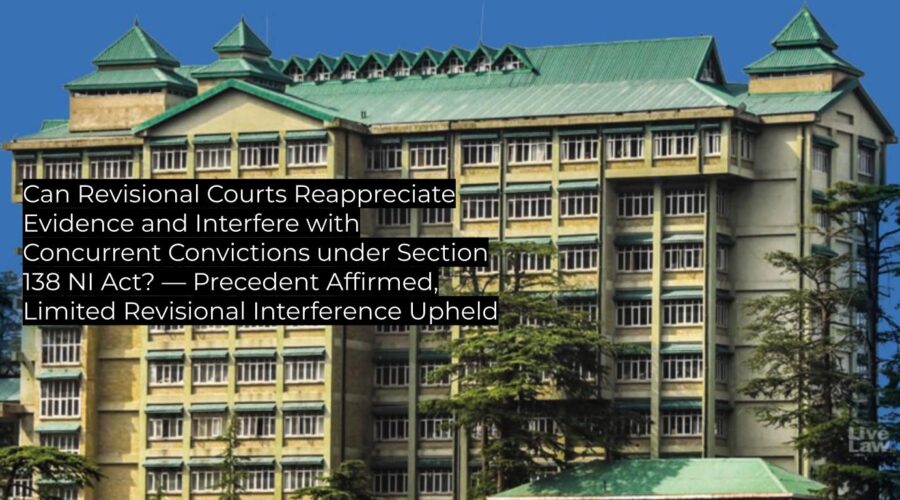
Can Revisional Courts Reappreciate Evidence and Interfere with Concurrent Convictions under Section 138 NI Act? — Precedent Affirmed, Limited Revisional Interference Upheld

The Himachal Pradesh High Court reaffirmed that Revisional Courts under Section 397 CrPC cannot reappreciate evidence or substitute concurrent factual findings of the Trial and Appellate Courts unless there is manifest perversity or error of law. Existing Supreme Court precedents on presumptions under Sections 118(a) and 139 of the Negotiable Instruments Act and the scope […]

Must Interest Be Paid on Delayed Retiral Benefits by State Entities? Himachal Pradesh High Court Reaffirms and Clarifies Binding Precedent

The Himachal Pradesh High Court upholds the established principle that all remaining retiral benefits, including gratuity and leave encashment, must be paid to retirees within six months, failing which interest at 9% per annum becomes payable. This ruling follows and clarifies previous binding precedent for public sector undertakings and government employees, confirming its authority for […]

Can the High Court Enhance Compensation under Section 138 NI Act After Dismissal of Revision, Using Section 482 CrPC? – Limits of Inherent Powers Reaffirmed

The Himachal Pradesh High Court reaffirms that once the revision remedy is exhausted and dismissed, the High Court cannot invoke its inherent powers under Section 482 CrPC to enhance compensation awarded under Section 138 of the Negotiable Instruments Act, except in cases of grave miscarriage of justice or abuse of process. This judgment follows existing […]

Can a Private Party Claim Compensation from the Government for Investments Made Under a Void Agreement Not Sanctioned by the State? – Principle of Privity in Writ Jurisdiction Reaffirmed by the Jammu & Kashmir High Court

The Jammu & Kashmir High Court has reaffirmed that a private party cannot seek compensation from the government in writ proceedings based on an agreement not executed with or sanctioned by the government; privity of contract and prior adjudication bar such claims. This judgment upholds existing precedent and serves as binding authority for subordinate courts […]

Can Offences Under Bharatiya Nyaya Sanhita, 2023, Be Quashed on Compromise? High Court Reaffirms Voluntary Settlement as Valid Ground for Quashing FIRs

The Court holds that FIRs under Sections 115(2), 140(1), 351(2), and 352 of the Bharatiya Nyaya Sanhita, 2023, may be quashed when parties reach a genuine, voluntary settlement, reaffirming the discretionary power to compound such offences even over the State’s opposition. Serves as a binding authority within Uttarakhand on the compounding of specified offences based […]

Is Uniform Compensation Across Land Categories Mandated in Land Acquisition When the Entire Area Is Acquired for a Public Purpose? – Precedent Affirmed for Determining Market Value Irrespective of Land Classification

The High Court of Himachal Pradesh reaffirmed that when land is acquired as a single unit for public purposes such as road construction, compensation must be determined at a uniform rate, regardless of the land’s earlier classification or nature. This judgment upholds prior Supreme Court and High Court precedent and will serve as binding authority […]

What is the Scope of High Court Interference in Departmental Disciplinary Proceedings under Article 226? — Existing Precedent Upheld and Reaffirmed

The Jharkhand High Court reaffirms that, in cases of departmental disciplinary proceedings, High Courts cannot act as appellate authorities to reappreciate evidence and are limited to intervening only for breaches of natural justice or patently perverse decisions. This judgment follows existing Supreme Court precedent, narrowing judicial review and confirming binding authority for similar service law […]