Can a Petition under Article 226/227 for Protection of Life and Liberty Be Dismissed for Wrong Disclosure of Address?

The High Court reaffirmed that filing a writ petition seeking protection of life and liberty with a false claim regarding residence can be grounds for dismissal. This judgment upholds the settled principle requiring bona fide and accurate disclosure in such petitions; it stands as binding precedent within the territorial jurisdiction of the Punjab & Haryana […]
Does the Filing of a Cancellation Report by the Police Render Petitions Seeking Quashing of FIR Infructuous?

The Court reaffirmed that once a cancellation report is filed before the trial court, petitions seeking quashing of the same FIR under Section 482 CrPC (or corresponding sections) become infructuous. Petitioners retain liberty to pursue remedies before the trial court. This disposition upholds established procedural law for criminal practice in the Punjab & Haryana region. […]

Does Section 482 of BNSS, 2023 Confer Power to Grant Anticipatory Bail? Judicial Clarification on Scope and Limits of Pre-arrest Bail

The Punjab and Haryana High Court holds that anticipatory bail can be granted under Section 482 of the Bharatiya Nagarik Suraksha Sanhita, 2023, subject to statutory conditions and not as an indefinite or blanket order. This judgment reaffirms existing precedent concerning pre-arrest bail powers and clarifies applicable procedural safeguards for all subordinate courts in Haryana. […]

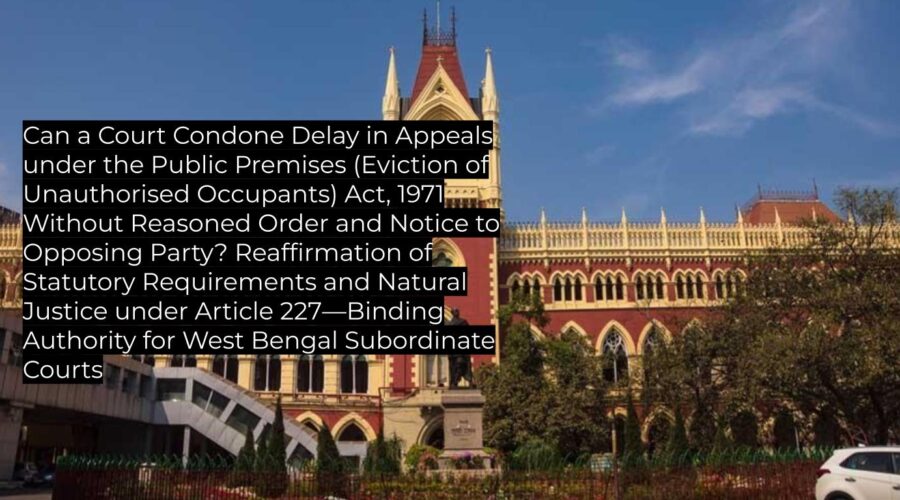
Can a Court Condone Delay in Appeals under the Public Premises (Eviction of Unauthorised Occupants) Act, 1971 Without Reasoned Order and Notice to Opposing Party? Reaffirmation of Statutory Requirements and Natural Justice under Article 227—Binding Authority for West Bengal Subordinate Courts

The Calcutta High Court has reaffirmed that a court must provide reasons and an opportunity of hearing to both parties before condoning delay in appeals under the Public Premises (Eviction of Unauthorised Occupants) Act, 1971. Orders passed without recording reasons or without hearing affected parties violate statutory mandate and principles of natural justice, and are […]

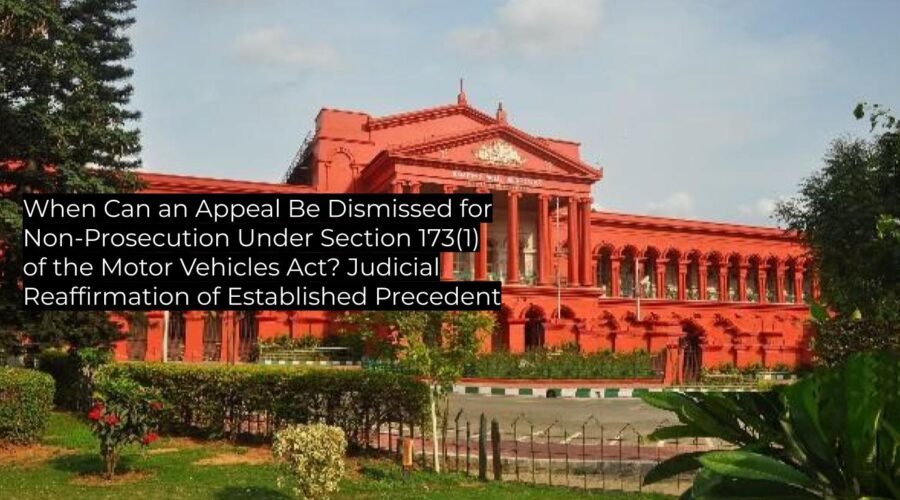
When Can an Appeal Be Dismissed for Non-Prosecution Under Section 173(1) of the Motor Vehicles Act? Judicial Reaffirmation of Established Precedent

A High Court judgment clarifies that failure by the appellant or their counsel to appear or prosecute an appeal filed under Section 173(1) of the Motor Vehicles Act entitles the court to dismiss the appeal for non-prosecution, reaffirming long-standing procedural norms. The decision stands as binding authority within the jurisdiction and reinforces existing practice for […]

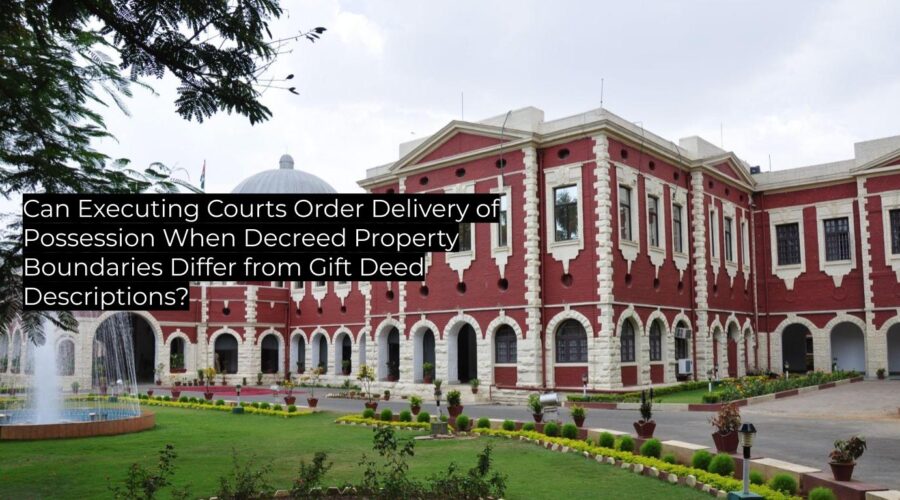
Can Executing Courts Order Delivery of Possession When Decreed Property Boundaries Differ from Gift Deed Descriptions?

The Jharkhand High Court reaffirmed that, where the identity of the decretal property is established in the decree and supporting documents, execution cannot be frustrated by technical objections about boundary discrepancies between the decree and the underlying gift deed. The decision upholds precedent, confirms the ministerial role of identification at execution stage, and is binding […]

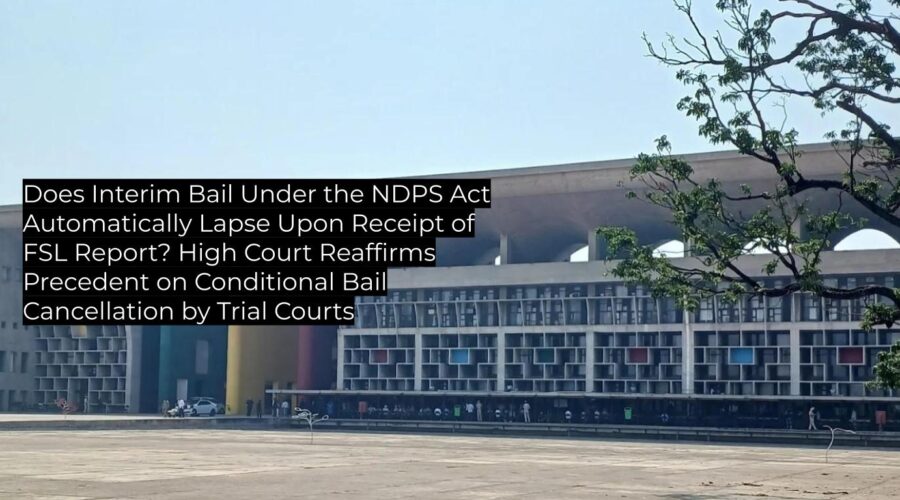
Does Interim Bail Under the NDPS Act Automatically Lapse Upon Receipt of FSL Report? High Court Reaffirms Precedent on Conditional Bail Cancellation by Trial Courts

The Punjab and Haryana High Court has reaffirmed that when interim bail is expressly granted until receipt of the Forensic Science Laboratory (FSL) report in NDPS cases, the trial court is empowered to cancel bail upon receipt of such report without further notice to the accused. The decision follows and preserves existing legal precedent and […]

Is a Habeas Corpus Petition Maintainable When the Alleged Detenue Is Already in Lawful Custody of the Petitioner?

The court clarified that where the alleged detenue is found to be in the lawful custody of the petitioner, habeas corpus relief is not maintainable and the petition stands disposed. This judgment affirms settled law, reinforcing summary disposal in similar habeas corpus petitions before the Punjab & Haryana High Court, with binding effect on all […]

Does a Government Resolution Limiting Appeals in Land Acquisition Cases Bar the State from Challenging “Modest” Enhanced Compensation Awards? — Judgment Upholds New Administrative Policy as Binding on Pending Appeals

The Bombay High Court affirms that, where a Government Resolution dictates withdrawal or non-filing of appeals below a specified threshold of enhanced compensation, such a policy is binding and provides sole basis for appellate dismissal. This judgment upholds existing executive and judicial practice, confirming the policy’s application to all pending and future appeals by the […]

Does the Bombay High Court’s Dismissal of State Appeals Against Enhanced Land Acquisition Compensation (Within Four Times the Original Award) Set a Precedential Bar for Similar State Challenges?

The Bombay High Court reaffirmed the binding effect of the Government of Maharashtra’s Resolution restricting state appeals in land acquisition cases where the enhanced compensation does not exceed four times the original award. This clarification further entrenches administrative policy as a factor in limiting state challenges against reference court enhancement, functioning as a binding precedent […]

Which Criminal Court Has Jurisdiction to Grant ‘No Objection’ for Issuance or Renewal of Passport to Accused Persons Under the Passports Act? – Clarification and Affirmation of Existing Practice by the Calcutta High Court

The Calcutta High Court clarified that, under the 1993 Ministry of External Affairs Notification pursuant to Section 22 of the Passports Act, 1967, only the Trial Court—the court where the criminal case is pending—has jurisdiction to grant permission or ‘No Objection’ for issuance or renewal of a passport for accused persons. This judgment reaffirms the […]

Does the Jurisdictional Magistrate Have the Duty to Consider Threat Perception and Pass Witness Protection Orders Under the Witness Protection Scheme, 2018 at the Instance of a Petitioner in a Pending Criminal Case? – Reaffirmation of Judicial Responsibility, Not Introduction of New Law

Calcutta High Court directs that when a petitioner alleges threat during pendency of a criminal case, the jurisdictional Magistrate must consider the application under the Witness Protection Scheme, 2018, call for a threat perception report, and, if satisfied, pass necessary protection orders. This judgment upholds the established statutory mechanism, reinforcing the binding effect of the […]