Is Non-Disclosure of Criminal Antecedents by Bail Applicants a Sufficient Ground for Refusal of Bail Under NDPS Act?

The High Court of Himachal Pradesh has held that failure to disclose prior criminal cases in bail petitions under the NDPS Act is a valid ground to deny bail, especially where criminal antecedents exist and the statutory rigours of Section 37 are attracted. The decision reaffirms and enforces existing Supreme Court and High Court precedents, […]
Can Administrative Rejection Orders Be Challenged When Subsequently Rescinded? Clarifying the Impact of Supervening Events on Pending Writ Petitions

When an administrative order impugned before the High Court is rescinded during the pendency of a writ petition, the proceedings are rendered infructuous and are closed without adjudication on merits. This disposition does not affect the petitioner’s liberty to initiate fresh proceedings on unresolved issues, reaffirming existing procedural precedent with binding authority for subordinate courts […]

When Can a Writ Petition Challenging a Transfer Order Be Withdrawn After Rejection of Representation by Competent Authority? — No New Law Created, Precedent of Dismissal as Withdrawn

The court accepted the petitioner’s request to withdraw their challenge against a transfer order after the competent authority issued a reasoned rejection of the petitioner’s representation; the judgment simply records the withdrawal and does not create or reaffirm precedent—its value is limited to its facts.   Summary Category Data Case Name CWP/16342/2025 of YASHPAL SINGH […]

When Is Preventive Detention for Drug-Related Offences Justified Under the PITNDPS Act? Scope, Procedural Safeguards, and Judicial Review – Existing Principles Reaffirmed by the High Court

The High Court reaffirmed that preventive detention orders under the Prevention of Illicit Traffic in Narcotic Drugs and Psychotropic Substances Act, 1988, can be sustained if all constitutional and statutory safeguards—especially under Article 22(5)—are met, and the detaining authority is subjectively satisfied on the basis of credible material. The judgment upholds existing precedent without overruling […]

Can a High Court Review Its Own Judgment After Summary Dismissal of SLP by the Supreme Court?

A High Court judgment does not merge with a Supreme Court order dismissing an SLP without reasons; such summary dismissal does not curtail the High Court’s review powers. This precedent affirms the limited grounds for review under CPC, clarifies the effect of Supreme Court SLP dismissals, and sets binding guidance on the competence of Arbitrators […]

Can Preventive Detention for Illicit Drug Trafficking Be Sustained Solely on Past Criminal Cases and Procedural Compliance? — Reaffirmation of Subjective Satisfaction and Procedural Safeguards under PITNDPS Act

The High Court clarifies that preventive detention orders under the PITNDPS Act can be sustained based on the subjective satisfaction of the detaining authority, even when past criminal cases resulted in bail, so long as constitutional and statutory procedural safeguards are complied with. This decision upholds existing precedent, reinforcing the preventive and anticipatory rationale of […]

Can a High Court Review Its Own Judgment After the Supreme Court Dismisses an SLP Without Reasons? Reaffirming the Limits of the Doctrine of Merger and Review Jurisdiction Under the CPC

A High Court may entertain a review petition of its own prior judgment even after the Supreme Court dismisses a Special Leave Petition (SLP) challenging that judgment without assigning reasons. The judgment clarifies that an unreasoned dismissal of SLP does not trigger the doctrine of merger, nor does it constitute a declaration of law under […]

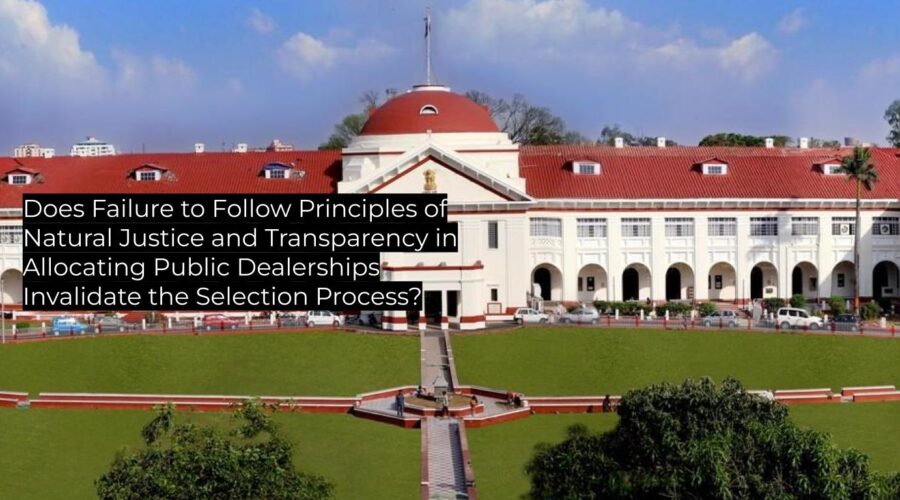
Does Failure to Follow Principles of Natural Justice and Transparency in Allocating Public Dealerships Invalidate the Selection Process?

The Patna High Court mandates that allocation processes for public dealerships must adhere to principles of natural justice, including giving applicants an opportunity to participate in inquiries and access to all evidence; any denial thereof vitiates the entire process. This judgment upholds and strengthens existing precedent on natural justice in public employment and dealership allocations. […]

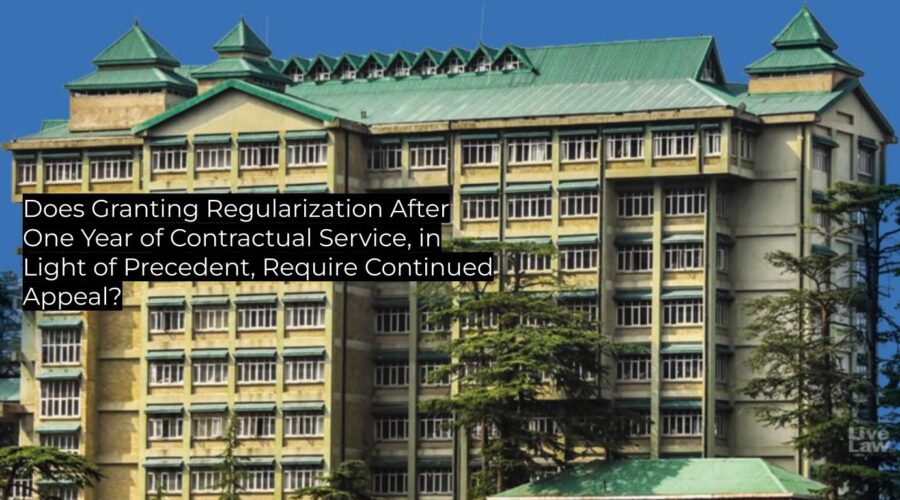
Does Granting Regularization After One Year of Contractual Service, in Light of Precedent, Require Continued Appeal?

The High Court reaffirmed that when an appellant is granted the sought-after relief in accordance with prior authoritative precedent, further appeal is rendered infructuous. This decision follows and applies established precedent (Vikram Singh & Others v. HRTC & Others) and is binding on subordinate courts and public sector employment regularization claims in Himachal Pradesh.   […]

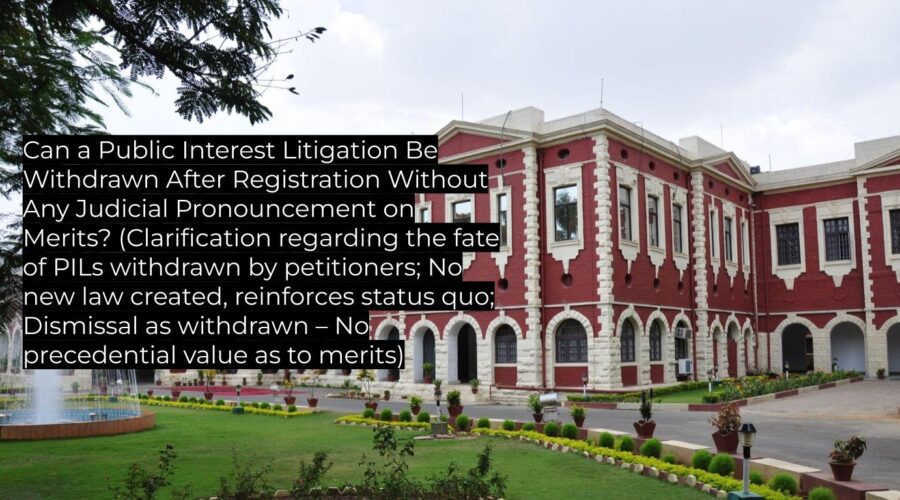
Can a Public Interest Litigation Be Withdrawn After Registration Without Any Judicial Pronouncement on Merits? (Clarification regarding the fate of PILs withdrawn by petitioners; No new law created, reinforces status quo; Dismissal as withdrawn – No precedential value as to merits)

Where a Public Interest Litigation (PIL) is withdrawn by the petitioner without any arguments on merits, the court dismisses the matter as withdrawn, without delivering any substantive ruling on the legal questions raised. This case reaffirms that withdrawal does not create binding precedent or alter existing legal principles, and such orders have no precedential effect […]

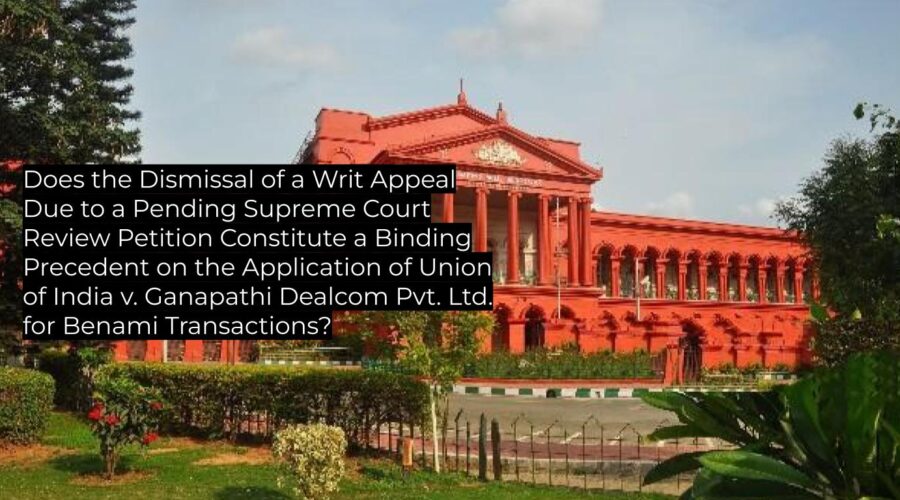
Does the Dismissal of a Writ Appeal Due to a Pending Supreme Court Review Petition Constitute a Binding Precedent on the Application of Union of India v. Ganapathi Dealcom Pvt. Ltd. for Benami Transactions?

The Karnataka High Court declined to entertain a writ appeal challenging the application of Union of India v. Ganapathi Dealcom Pvt. Ltd., citing pendency of a review petition in the Supreme Court. The judgment does not create a new precedent but maintains the current legal position, granting liberty to revive the appeal if the review […]

Can Compensation Be Awarded Under the Railways Act Upon Allowing an Appeal Against a Tribunal Order? Precedent for Compensation Awards Overruling Tribunal’s Denial — Binding on Orissa Subordinate Courts

Orissa High Court affirms that compensation can be granted when an appeal against a Tribunal’s denial is allowed, requiring Railways to deposit the adjudicated amount; upholds appellate court’s power to independently assess compensation under the Railways Act — sets binding precedent for subordinate courts in Odisha.   Summary Category Data Case Name FAO/100/2021 of BISWAJIT […]